Tsavo East National Park is huge, dry, and visual in a way few Kenyan parks are. The tsavo east safari best area matters because the wrong camp or the wrong zone can eat hours of your trip in transfers. For most first-time visitors, the strongest all-round answer is the Voi River and Aruba Dam area. That is not the only good answer, and this comparison shows when you should choose another zone.
What Is the Tsavo East Safari Best Area for First-Time Visitors?
The Voi River and Aruba Dam area is usually the best all-round choice for first-time Tsavo East visitors. It combines reliable water, varied wildlife, manageable game drives, and practical access from Voi or the Nairobi-Mombasa route. It offers stronger convenience than remote areas without sacrificing elephants, lions, buffalo, giraffes, or plains game.
The geography explains why. Voi town sits on the main route between Nairobi and Mombasa. Many camps near Voi Gate are reachable after a reasonably short drive. Aruba Dam and the surrounding Voi River hold water that pulls animals through dry months. The habitat mixes open ground, thornbush, and eroded gullies. On a good morning, you can find elephants, buffalo, zebra, giraffe, and antelope without driving across the entire park. That makes it the safest pick for people with only two or three days.
Is Voi River Tsavo East or Galana River Better for Wildlife?
Choose the Voi River Tsavo East area for the best balance of predator potential and general game viewing. Water attracts elephants, buffalo, zebra, giraffe, and antelope, while the open ground around Aruba Dam can make lions easier to spot than in thicker bush. Sightings remain wild and unpredictable, not guaranteed.
The Galana River is the other famous wildlife corridor. It offers dramatic river scenery, hippos, crocodiles, and elephants along wide sandy banks. Late in the dry season, large elephant herds may gather there in numbers that impress even repeat visitors. But the trade-off is real. Galana camps are more remote, drives are longer, and the vegetation can hide animals in ways Voi rarely does. If you have one or two nights only, Voi and Aruba usually give you a better return on your limited time.
A local expert adds value in either zone. The benefits of a private Tsavo safari guide show up when someone needs to read elephant movement or decide whether to wait at a waterhole instead of chasing a distant radio report.
| Zone | Best wildlife bets | Who should choose it |
|---|---|---|
| Voi River and Aruba Dam | Reliable water points, elephants, buffalo, giraffe, zebra, lions, and plains game in open country | First-time visitors, short stays, anyone who wants a balanced Tsavo East wildlife list |
| Galana River corridor | River views, hippos, crocodiles, elephants, and water birds; wilder atmosphere | Travelers with three or more nights who prioritize river scenery |
| Remote eastern Tsavo East | Open bush, scattered water, few vehicles, and slower-paced safari days | Repeat visitors or travelers who want solitude over predictable sightings |
Where Do You See Lions and Tsavo East Red Elephants in Tsavo East?
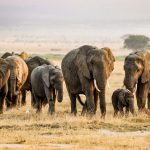
For lions, the Voi River and Aruba Dam area offers some of the most practical opportunities because water and prey gather there. Tsavo East red elephants can appear across much of the park; their color comes from iron-rich red dust they coat onto themselves, not from being a separate elephant species. Watch water points, especially in the dry months.
Lions in Tsavo East are sometimes maneless or partially maned. Males can look different from the dark-maned lions of the Mara, which catches some visitors by surprise. In the Voi and Aruba zone, lions often use the open country around water. That does not mean you will see one on every drive. They move with prey, and a quiet soda ash marsh or a bushy gully can hide them completely.
For red elephants, do not overthink the location. The color appears after elephants roll or spray red soil over themselves, so the real target is an active herd near dirt. Aruba Dam and the Galana River are good places to sit and let elephants come to water. If your guide knows recent elephant movements, you save hours of searching.
What Is the Best Time to Visit Tsavo East for Wildlife?
The best time to visit Tsavo East for wildlife is the dry season, roughly June to October and again in January and February, when animals concentrate around remaining water. Rains spread animals across the park and produce greener scenery, but sightings become less predictable. A camp near your priority zone still reduces long transfer drives and preserves time for game viewing.
Voi and Aruba become even more effective in the dry season because the dam may hold water when seasonal pans have dried. The Galana River also remains a lifeline for elephants and buffalo during these months.
The wet season is not a mistake. It brings green bush, newborn animals, and migratory birds. However, Tsavo East wildlife scatters widely, and some murram roads become slippery after rain. If your itinerary is tight, dry-season dates reduce the risk of long detours and quiet game drives.
Should You Stay Near Voi or Sleep in the Galana Wilderness?
For a one- or two-night safari, stay near Voi, Aruba Dam, or the Voi River to maximize game-drive time and simplify access. Longer stays can justify a remote Galana River or eastern camp, where scenery and solitude become part of the experience. Match the camp to wildlife goals, road logistics, and budget rather than choosing by luxury level alone.
Camp position matters more here than in many parks because Tsavo East is enormous. A lodge with beautiful rooms can still be a poor base if it sits far from the water points you plan to visit. On a short safari, you want to leave camp early, reach wildlife quickly, and return for lunch without losing the whole afternoon to transfers. On a longer safari, a remote camp becomes an event in itself. The drive to Galana, the quiet evenings, and the lack of other vehicles can outweigh the extra distance.
If you travel with children, look for camps that break the day well. A hot midday drive rarely works for young guests. Many properties plan family-friendly activities at Tsavo safari camps around cooler hours, with shade and downtime built into the schedule.
Before you head far into the park, also think about safety and communication. Remote areas sometimes have weak signals, and road conditions shift after rain. Save the Kenya safari emergency contacts before you lose coverage, and tell your camp where you plan to drive.
Which Tsavo East Safari Zone Should You Choose?
Choose the Voi River and Aruba Dam zone if this is your first Tsavo East trip or you have two nights or fewer. It offers a dependable mix of elephants, lions, and plains game without long drives. Choose the Galana River area if you have three or more nights. It trades some convenience for river scenery, hippos, crocodiles, and a more remote feel. Choose a remote eastern camp only for repeat visits or when low vehicle numbers matter more than a packed wildlife checklist.
Where Can You Find More Tsavo Trip Planning Resources?
- Tsavo East and West map from SafariPure
- Kenya wildlife tours from Trunktrails Safaris
- Map of Tsavo from Valley Safaris
- Tsavo destination guide on FindMySafari
Once your dates and budget are set, compare operators to see which camps actually sit inside your preferred zone. Compare packages at FindMySafari, Valley Safaris, and Trunktrails Safaris, or use TouringInsights trip planning content to refine your shortlist before booking.